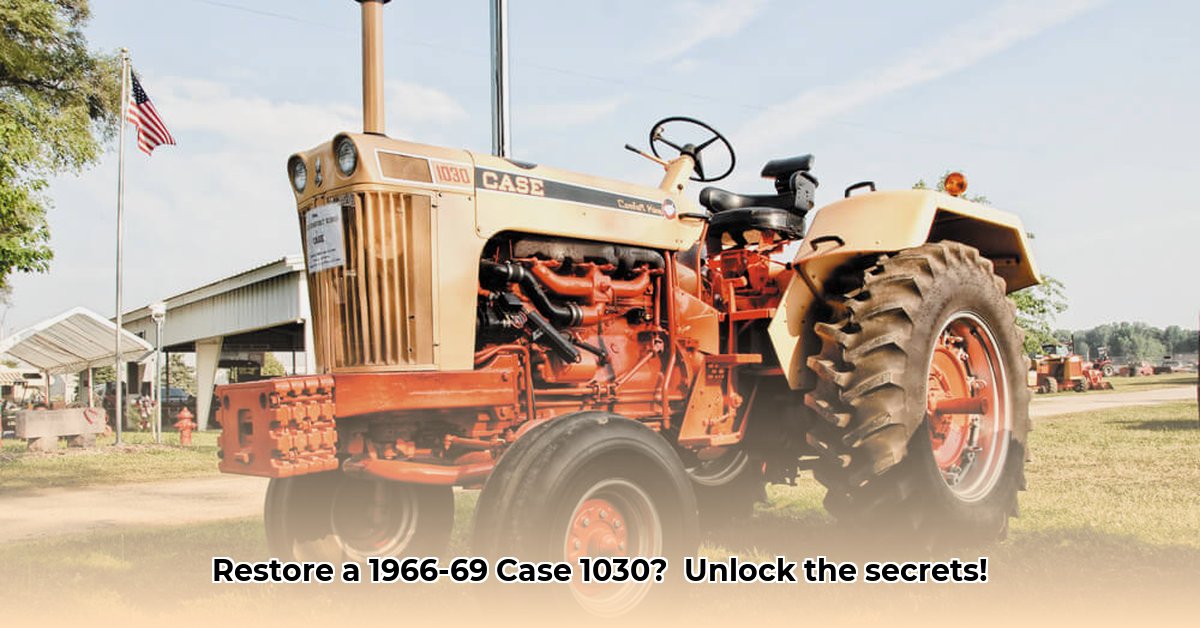
A Legacy in Steel: The History of the J.I. Case 1030 Series
The J.I. Case 1030, produced between 1966 and 1969, represents a pivotal moment in agricultural technology. More than 13,763 units of the 1030, including the 1031 and 1032 variants, rolled off assembly lines, impacting farms across North America. This wasn't merely a machine; it embodied the spirit of post-war agricultural innovation, offering farmers increased power and efficiency. Its robust design and versatile capabilities cemented its place in agricultural history, solidifying Case's reputation for quality and dependability. But what truly set the 1030 apart? Let's explore the details. For more Case tractor images, check out this great resource.
Technical Specifications: Power and Precision Under the Hood
The Case 1030 series was powered by a formidable 7.4-liter six-cylinder diesel engine. While exact horsepower figures vary slightly depending on the source material, the engine consistently delivered impressive power, typically around 101 PTO horsepower, making it ideally suited for demanding farm tasks. Paired with an 8-speed transmission, the 1030 provided the versatility needed for a wide range of agricultural operations. Power steering – a significant advancement for its time – and reliable disc brakes enhanced safety and ease of operation. The open operator station gave the driver excellent visibility, crucial for safe and efficient work. Minor variations existed between the 1031 and 1032 models; further research is needed to define these differences comprehensively.
| Specification | Case 1030 (1031 & 1032) | Notes |
|---|---|---|
| Engine | 7.4L Six-Cylinder Diesel | Reliable, powerful, and well-suited for heavy work. |
| Horsepower (PTO) | ~101 hp | Minor variations exist across recorded sources. |
| Transmission | 8-speed | Offers versatility for diverse farming operations. |
| Steering | Power Steering | Significantly improved maneuverability. |
| Brakes | Disc Brakes | Enhanced safety and stopping power. |
| Operator Station | Open | Provided exceptional visibility. |
Restoration and Maintenance: A Guide to Revitalizing Your 1030
Restoring a Case 1030 is a rewarding endeavor, a testament to both mechanical skill and the appreciation of agricultural heritage. However, it demands patience and careful planning. Securing parts can be challenging; online forums dedicated to vintage tractors and Case enthusiasts are valuable resources. Collaboration with other collectors can lead to parts discovery and vital repair advice.
Common Maintenance Issues and Solutions:
Engine Tune-Up: A comprehensive engine tune-up, potentially including carburetor rebuilds (covered in detail below) and piston ring replacements, is often necessary. This task requires mechanical expertise; consult a service manual or seek professional assistance.
Hydraulic System: Inspect for leaks and ensure smooth operation. A problematic hydraulic system significantly impacts the tractor's performance.
Electrical System: Thoroughly check wiring and replace faulty components to prevent future issues.
Transmission Service: Regular servicing maintains smooth gear changes, preventing costly problems.
Step-by-Step Carburetor Rebuild:
Disassembly: Carefully disassemble the carburetor, documenting each step with photos or detailed notes for precise reassembly.
Cleaning: Meticulously clean all parts using a high-quality carburetor cleaner, ensuring complete removal of debris.
Inspection and Replacement: Inspect all parts for wear and tear. Replace any damaged or worn components with original or high-quality replacement parts.
Reassembly: Carefully reassemble the carburetor, referencing your notes or photos.
Testing: Test the carburetor's performance and adjust as needed to ensure optimal engine operation.
Collector's Guide: Authenticity and Valuation
For collectors, authenticity is paramount. Using genuine Case parts maintains the tractor’s value and historical integrity. Serial numbers provide vital information; cross-referencing these numbers with factory records (if available) verifies authenticity and assists in determining the tractor's model and production date. Determining market value requires considering several factors including the tractor’s condition, originality, and current market demand. Consulting recent auction results and seeking appraisals from experienced vintage tractor valuers provide more accurate valuation.
The Future of Case 1030 Research: Uncovering Hidden Histories
While this guide offers a comprehensive overview, further research can enhance our understanding of the Case 1030. A more in-depth comparison between the 1031 and 1032 models is needed along with a deeper exploration of production variations. Accessing archived production data from Case IH could yield valuable insights. Oral histories from individuals who owned or worked with these tractors would add a rich human element to the narrative. The continuing quest for knowledge ensures that the legacy of the Case 1030 remains vibrant and well-documented.